Vicksburg History
Legendary entrepreneur created opportunities for thousands



February marks Black History Month; a time when we as a nation reflect historically at the struggles, accomplishments, and inspirational advances of African Americans here in the United States. This month is a celebration in which we should all be proud of. It is a time that we may further our education through empathetic perspective and understanding so that we may all grow as individuals and strive to create a better life for the future. A native of the Vicksburg area that exemplifies these ideals of struggle, accomplishment, and inspiration; someone that not only created a new way of life for herself, but for thousands of others as she redefined the expectations of black women; this woman was Madam C. J. Walker.
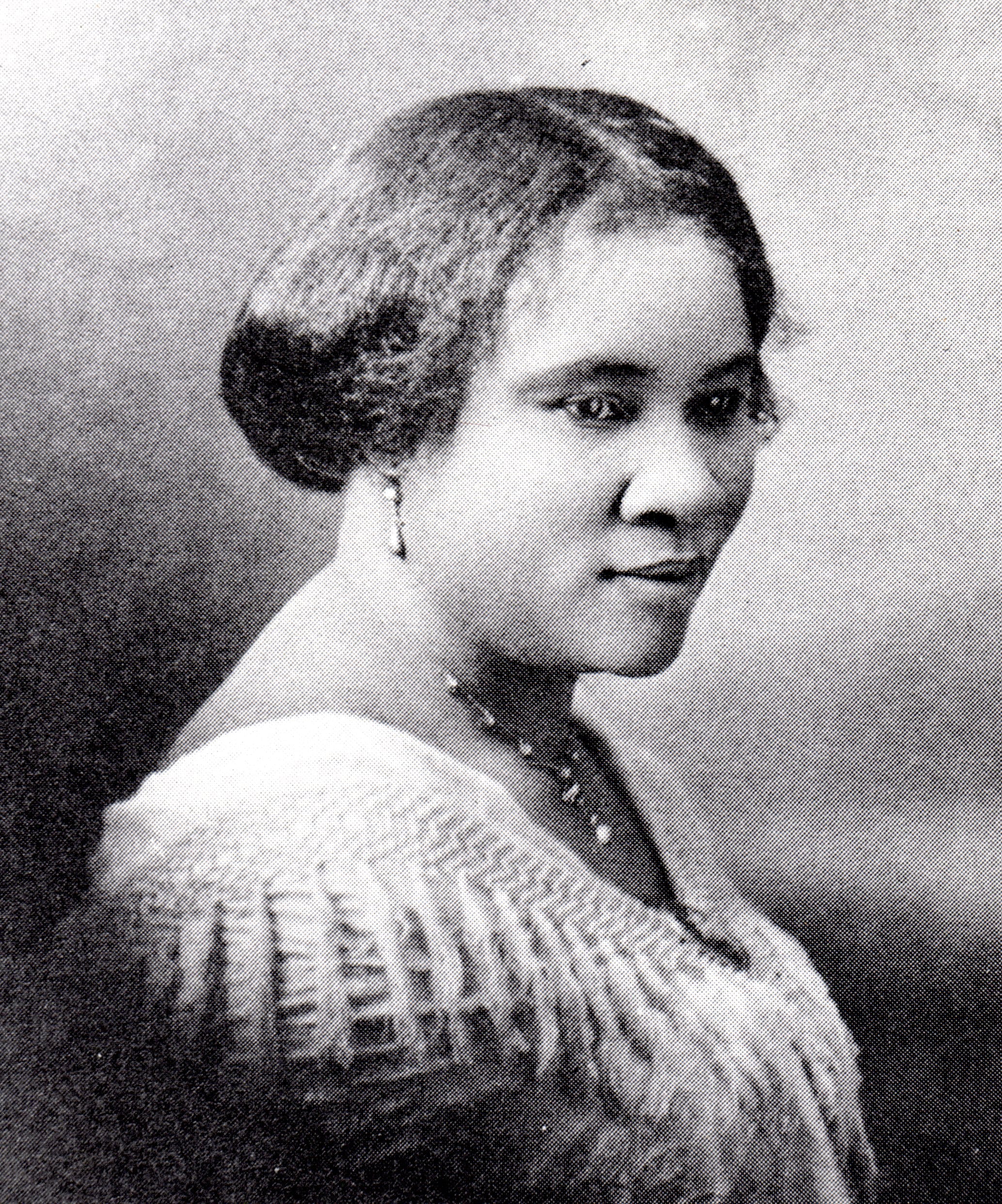
Born Sarah Breedlove in 1867, it wouldn’t be until her marriage to Charles Joseph Walker in 1906 that she would change her name to Madam C. J. Walker. Her parents, Owen and Minerva, were former slaves living in Delta, Louisiana on the former Burney Plantation just across the Mississippi River from Vicksburg near the abandoned canal project left behind by General U. S. Grant during the Siege. Tragedy became a reoccurring theme of Sarah’s childhood as she lost her mother in 1873, and was soon followed by the death of her father in 1875. Being so young when she became an orphan, she was forced to live with her now-married older sister, Louvenia Breedlove Powell, and her “cruel” husband, Jesse Powell. Sarah described Powell later in her life as an abusive caretaker, but never fully elaborated on the extent she suffered. By 1878, Sarah was forced once again to move due to political and economic reasons; this time coming to Vicksburg, where she remained until 1882. She married Moses McWilliams at the age of fourteen with hopes of escaping the dangers of her childhood.
These hardships of Sarah Breedlove’s early life would not discourage her; if anything they made her more driven to raise herself above the status quo and expectations of what a young black woman could become in our newly reunited nation. It would not happen overnight though. Sarah worked as a washerwoman making a weekly wage of $4 before she found her true calling. Her inspiration for what would set her on a course of unmatched success in the following years came from a dream. She claimed it was a message from the divine that came to her and taught her how to concoct a hair solution that would prevent her hair from falling out. When she woke, she brewed the mixture, and within a few days began to see that it was indeed successful. Thus began her life as an inspiring entrepreneur. She endeavored to get her product to as many people as possible while growing her business into something even greater. Her determination and hard work would elevate her to the first black woman millionaire in United States history.
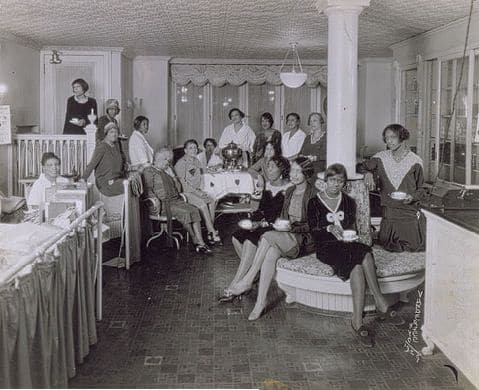
The story of Madam Walker does not end with only her success as a businesswoman though. Walker’s true talent was her ability to advance and promote the well-being of those around her. Salons began popping up all across the nation, offering an opportunity for black women to establish themselves in a fulfilling career during a time when most work for women consisted of maid services offering a meager salary. Others became sales representatives and promoters of Walker’s products, giving them the chance to travel and connect with other communities across the nation. Madam Walker actively played a part in the future success of black business owners as well. When she arrived in a new city, she would call a meeting at the local churches to give lectures, offer advice, and invest not only financially in new businesses but in the people building them. A vast network formed as she traveled to new areas allowing her to connect with other revolutionaries of the time, such as Sociologist and Civil Rights activist W. E. B. Du Bois and the famous educator/orator Booker T. Washington.
Madam C. J. Walker’s contributions to our society are truly immeasurable, especially when considering she did them during a time when women still did not have the right to vote. Her mentality and vision for the future of black Americans never faltered. Even when she was confined to her bed late in life she gave thousands of dollars to the Anti-Lynching Crusaders assembly in New York City so that her “hard-earned money might help those working to stop the lynching of black men and women.” In 2001 her great-great-granddaughter, A’Lelia Bundles, completed a biography of Madam Walker titled On Her Own Ground: The Life and Times of Madam C. J. Walker. I wholeheartedly recommend it to everyone, especially those wanting to learn more about her. She is, by all meaning of the word, an inspiration.
Vicksburg and Warren County Historical Society
If you enjoyed this story about Madam C. J. Walker and want to learn more, please consider visiting the Old Court House Museum here in Vicksburg, MS. We’ve been a museum for 74 years now, and all items on display were donated by families from here. We also have a vast archive in our McCardle Research Library that is accessible by appointment. Members of the Historical Society have free admission to the museum, so please also consider becoming a member. All proceeds raised through membership go directly to the preservation of the museum and its contents. For more information visit our website at www.oldcourthouse.org or give us a call at 601-636-0741. You never know what you’ll find at the Old Court House!